

What is CEAP
Although vein problems are common in the legs and thighs, they are unique in everyone. Some might not have any visible abnormal veins. Some might have only spider veins and others might have spider and varicose veins. Or even worse, some may have an open sore (an ulcer) on their leg. In addition to being unsightly, vein problems are unhealthy and can cause a whole variety of symptoms. This has made it difficult in the past for doctors to describe vein disorders and discuss which treatments might be best for the various types of vein issues that different patients have.
In order to decrease confusion and have a standard way to talk about vein problems, a group of experts created a classification system known as CEAP. This acronym stands for:
- Clinical – what the patient’s veins look like
- Etiology – whether the problem is inherited or not
- Anatomy – which veins are involved
- Pathophysiology – in which direction the blood is flowing (either normal or abnormal flow) and whether blood flow is blocked.
In other words, this classification system describes what the doctor sees on the physical exam, the cause of the problem, the location in the leg, and the mechanism responsible for the manifestation of the vein problem. If you, as a patient, were able to recognize what CEAP classification you are in, it might be helpful for you to decide if and when you should seek help.
The most commonly-used portion of the CEAP classification is the Clinical section (C), which has 7 main categories, and are as follows.
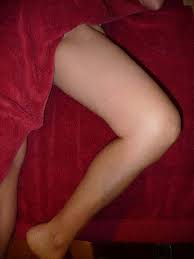 |
C0 – the lowest degree in severity, means that there is no sign of venous disease when looking at the leg |
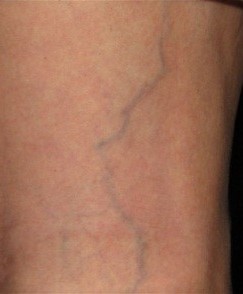 |
C1 – means that the person has spider or reticular veins when looking at the leg |
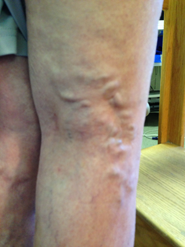 |
C2 – means that varicose veins are present when looking at the leg |
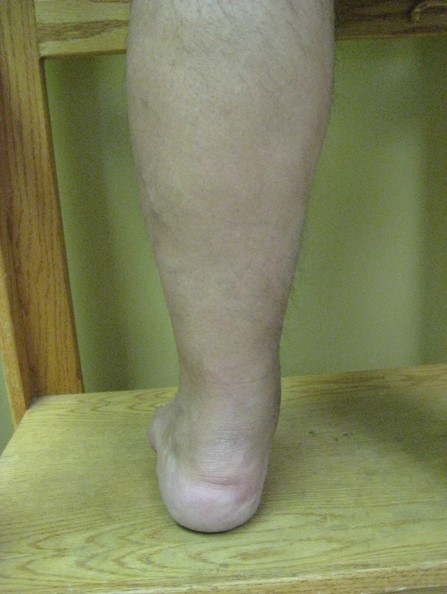 |
C3 – denotes the presence of edema (swelling) of the ankle. Best visualized from the back rather than the front. |
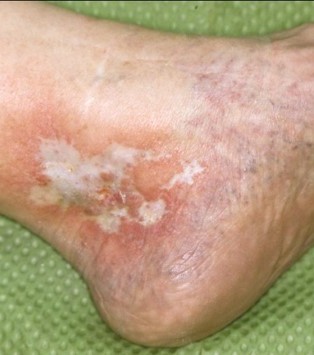 |
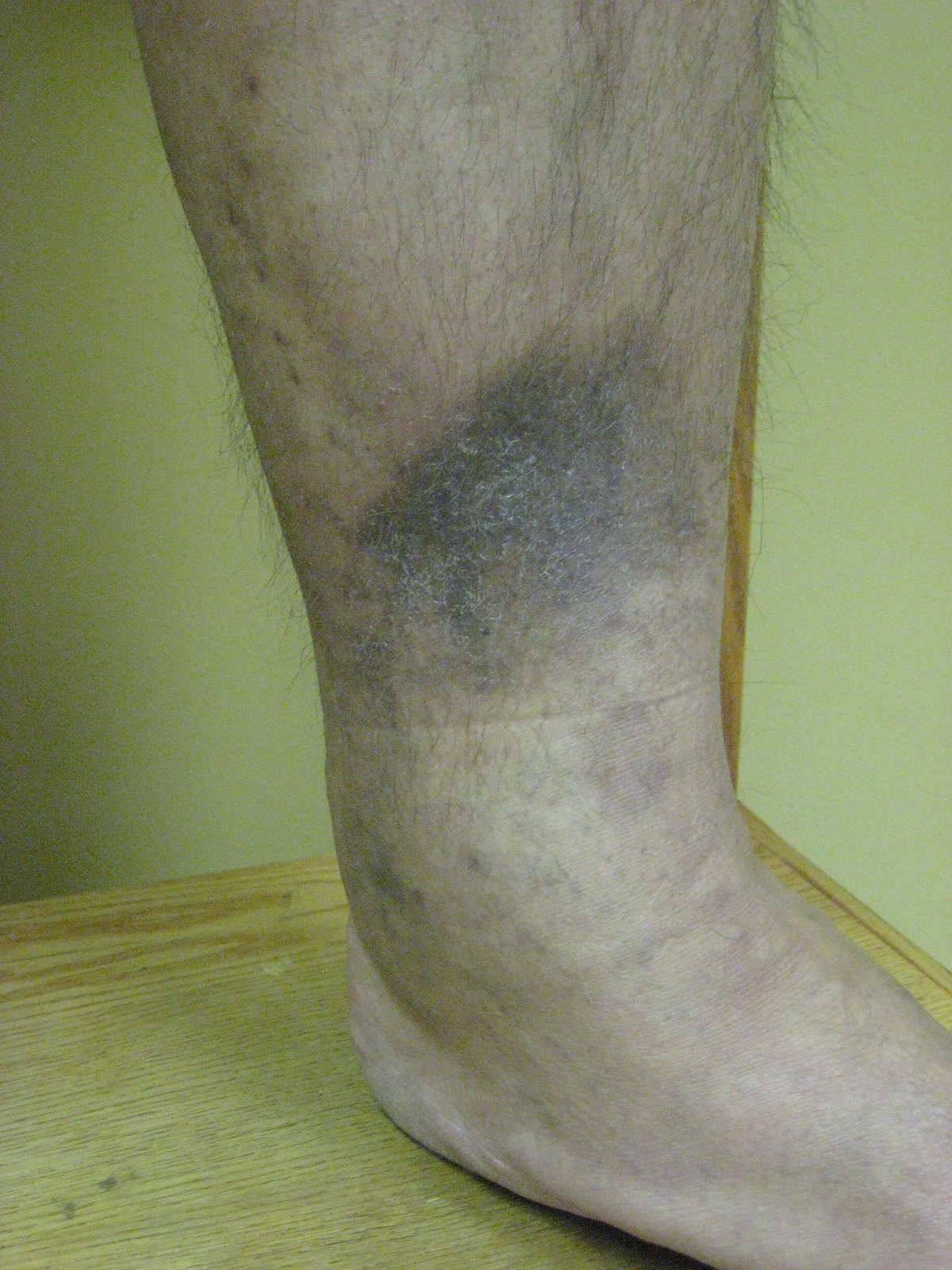
C4a,b – includes pigmentation (darkening) of the skin, eczema (redness, itching), lipodermatosclerosis (hardening of the soft tissues), and atrophie blanche (a whitish skin area) |
 |
C5 – means that a healed venous ulcer is present when looking at the leg |
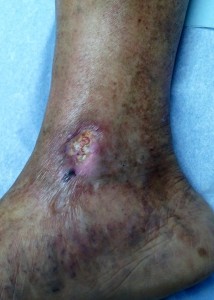 |
C6 – is the most severe category, means that an active open venous ulcer is seen on the skin |
Do you recognize any of the photographs that resembles your leg? What C (clinical) are you? Knowing this might assist you in determining what steps you should take to take care of your vein health.